
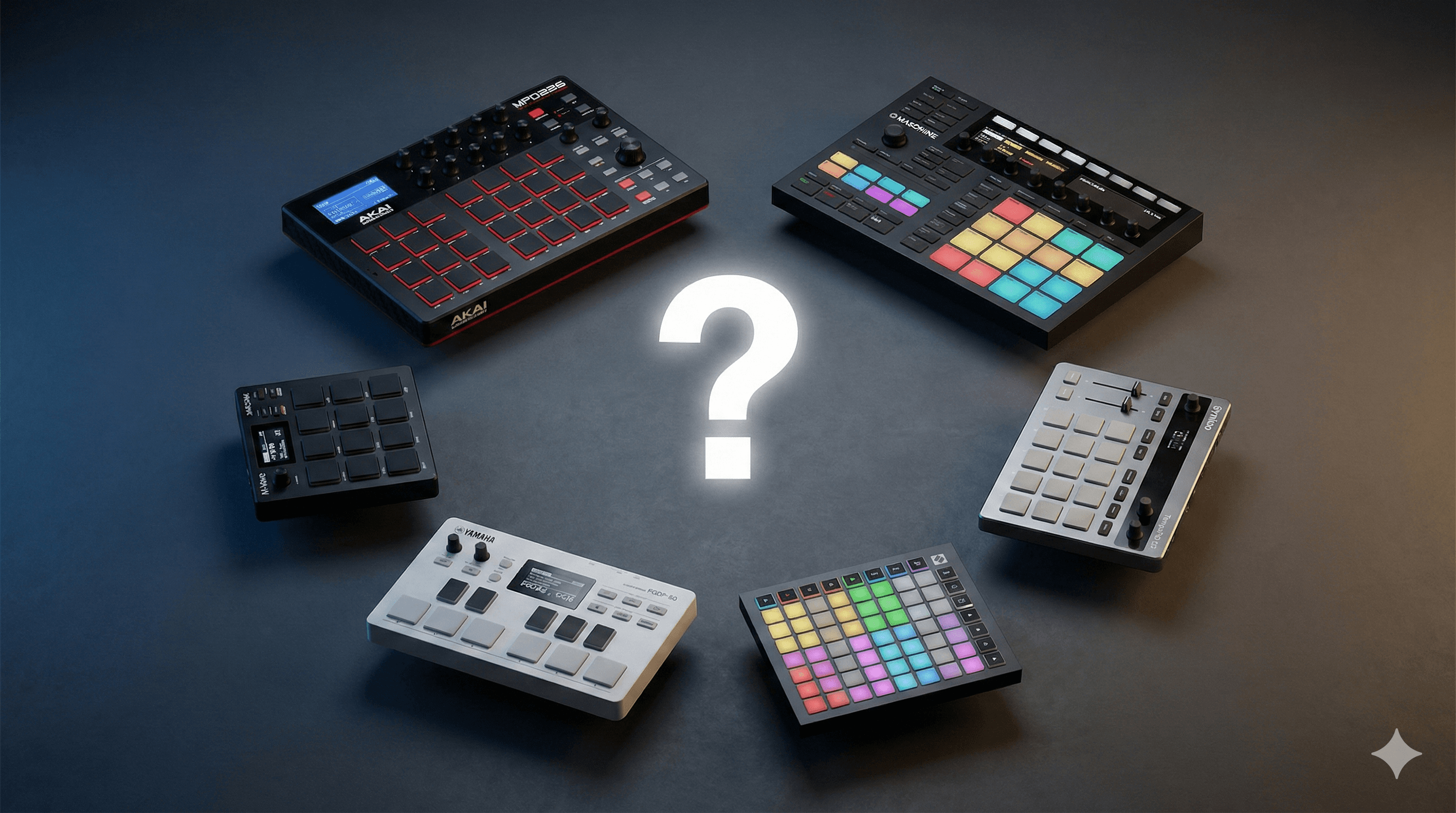
Table of Contents
-
Why a 4×4 Pad Controller Is Best for Learning Finger Drumming
-
$0 Budget – Can You Learn Finger Drumming Without a Controller?
Introduction: How to Choose Finger Drumming Gear
Choosing the right finger drumming gear is one of the most important steps when learning finger drumming.
Unlike beatmaking or music production, finger drumming is a physical skill.
It relies on timing accuracy, finger independence, muscle memory, and repetition.
Fingerdrum.io is built specifically for learning finger drumming, not producing tracks.
Because of that, your hardware choice directly affects how fast — and how well — you improve.
Short answer:
If you want to learn finger drumming properly, you need a 4×4 pad controller.
Why a 4×4 Pad Controller Is Best for Learning Finger Drumming
A 4×4 pad layout (16 pads) is the most effective and widely used format for finger drumming practice.
It works best because it:
- matches how finger drumming patterns are structured
- scales naturally from simple to complex rhythms
- builds transferable muscle memory
- translates easily to MPC-style and professional setups
Most experienced finger drummers train on a 4×4 grid.
Other layouts can work, but they introduce limitations early in the learning process.
$0 Budget – Can You Learn Finger Drumming Without a Controller?
If you don’t own any hardware yet, you can still start practicing — with clear limitations.
Computer Keyboard
Pros
- Free and instantly available
- Helps understand rhythm and pattern structure
Cons
- No velocity sensitivity
- Very limited finger technique development
- Does not translate well to pad controllers
Tablet or Touch Screen
Pros
- Direct interaction
- Better spatial feel than a keyboard
Cons
- No physical feedback
- No real velocity control
- Builds habits that don’t transfer to pads
Conclusion:
Keyboard or touch input can be a temporary starting point, but they are not suitable for long-term finger drumming practice.
Best Finger Drumming Controllers by Budget
All recommendations below focus on learning, not production features.
$50–$100 Entry Level
Good for beginners who want to start practicing finger drumming with real pads.
M-Vave SMC-Pad
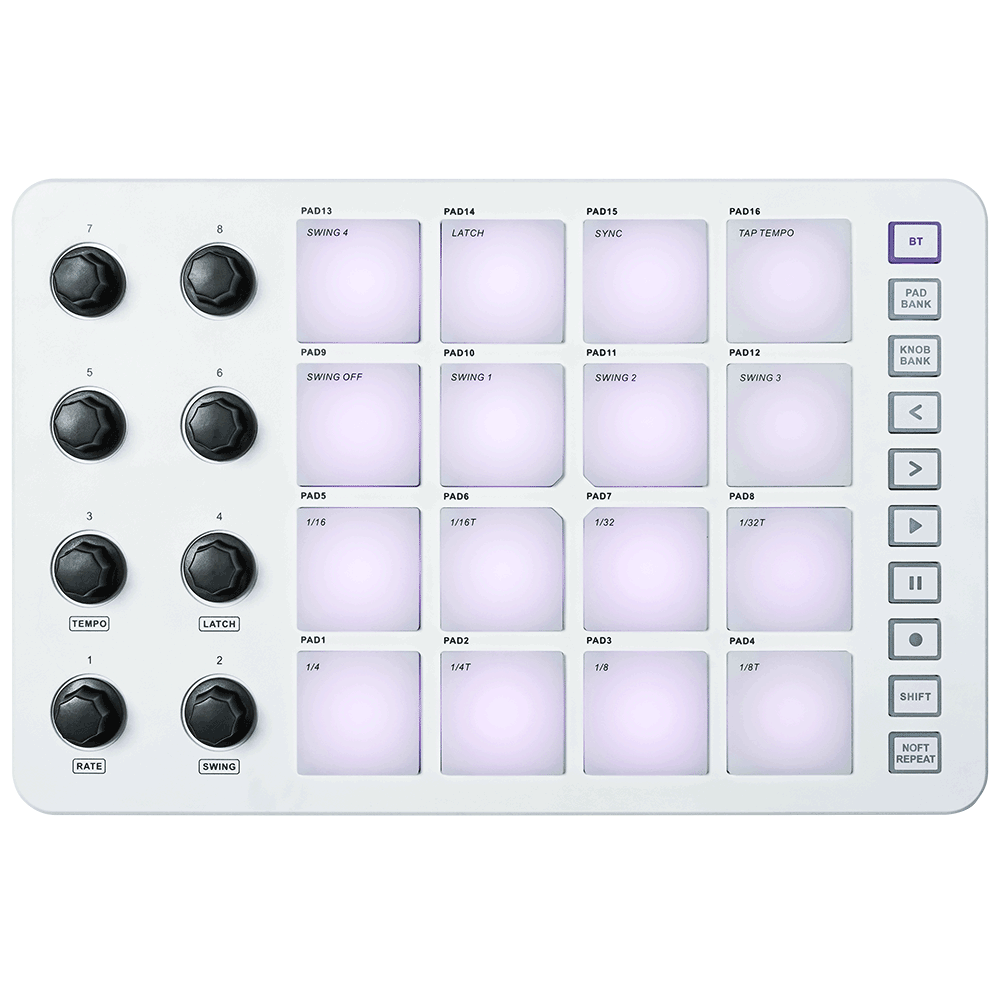
- 4×4 pad layout
- Extremely affordable
- Suitable for first steps in finger drumming
Akai MPD218
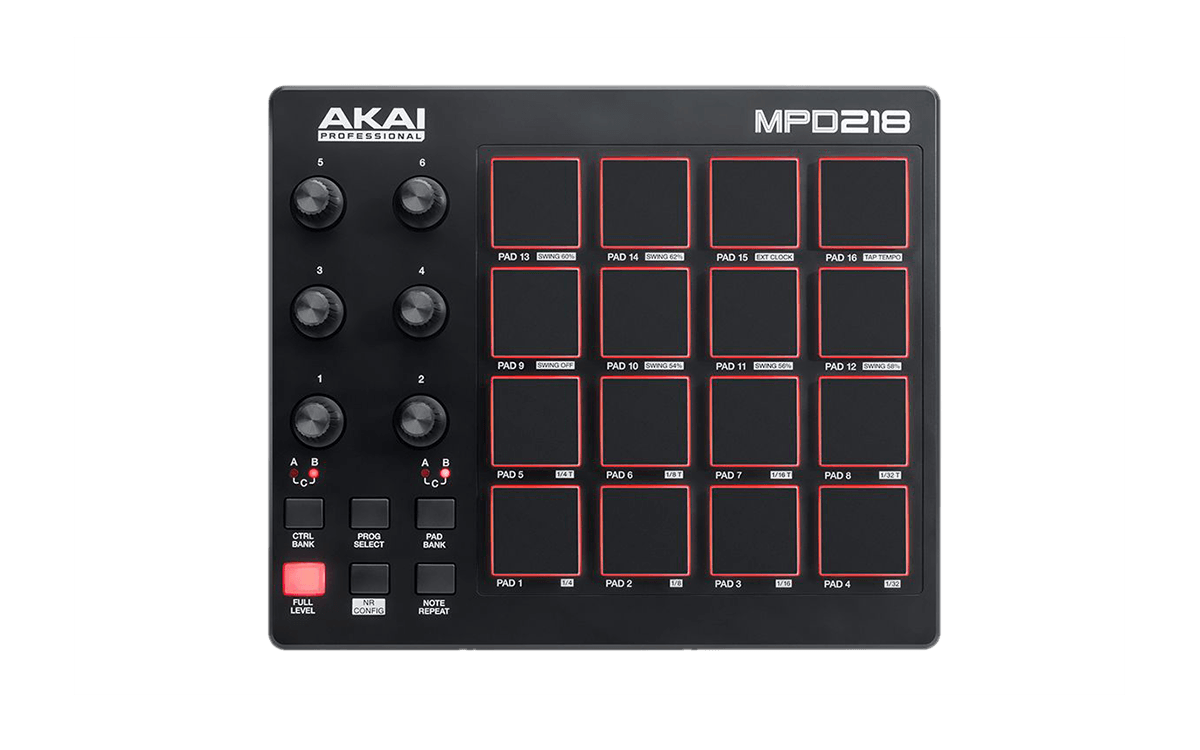
- Classic MPC-style 4×4 layout
- Large pads
- Reliable beginner option
$100–$200 Best Value
The recommended range for most Fingerdrum.io users.
Akai MPD226
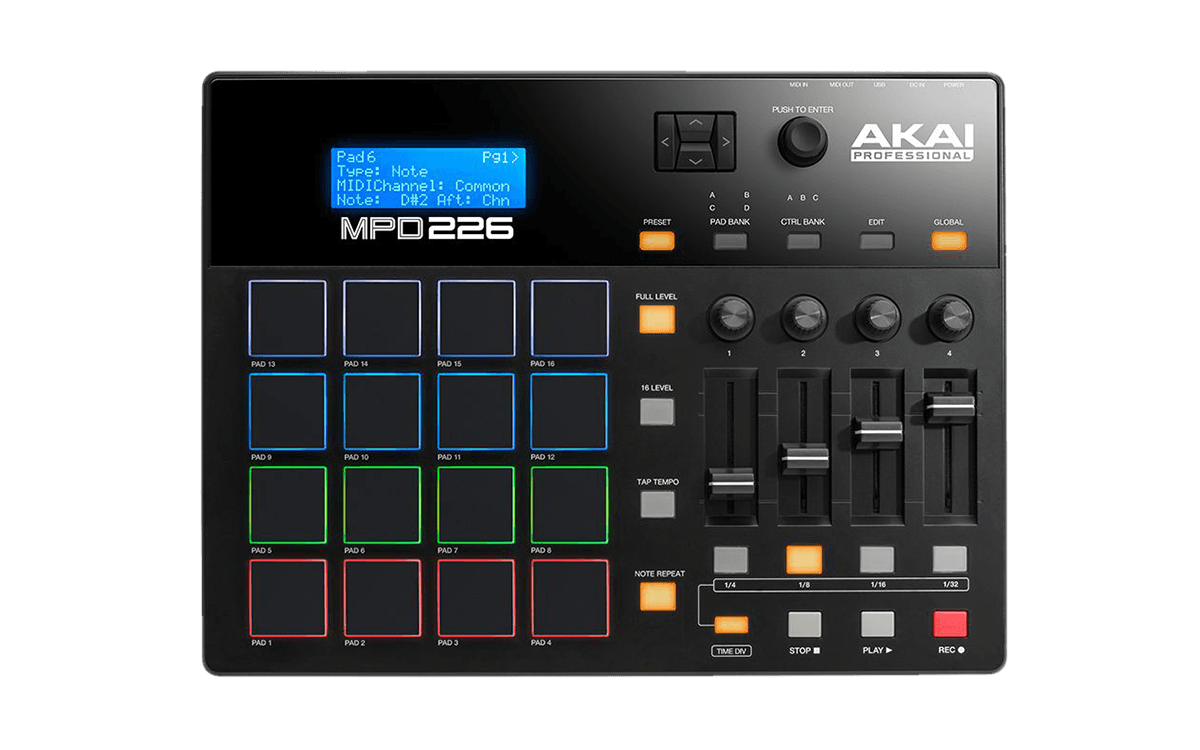
- Excellent pad size and spacing
- Consistent velocity response
- Ideal for timing and dynamics practice
PreSonus ATOM
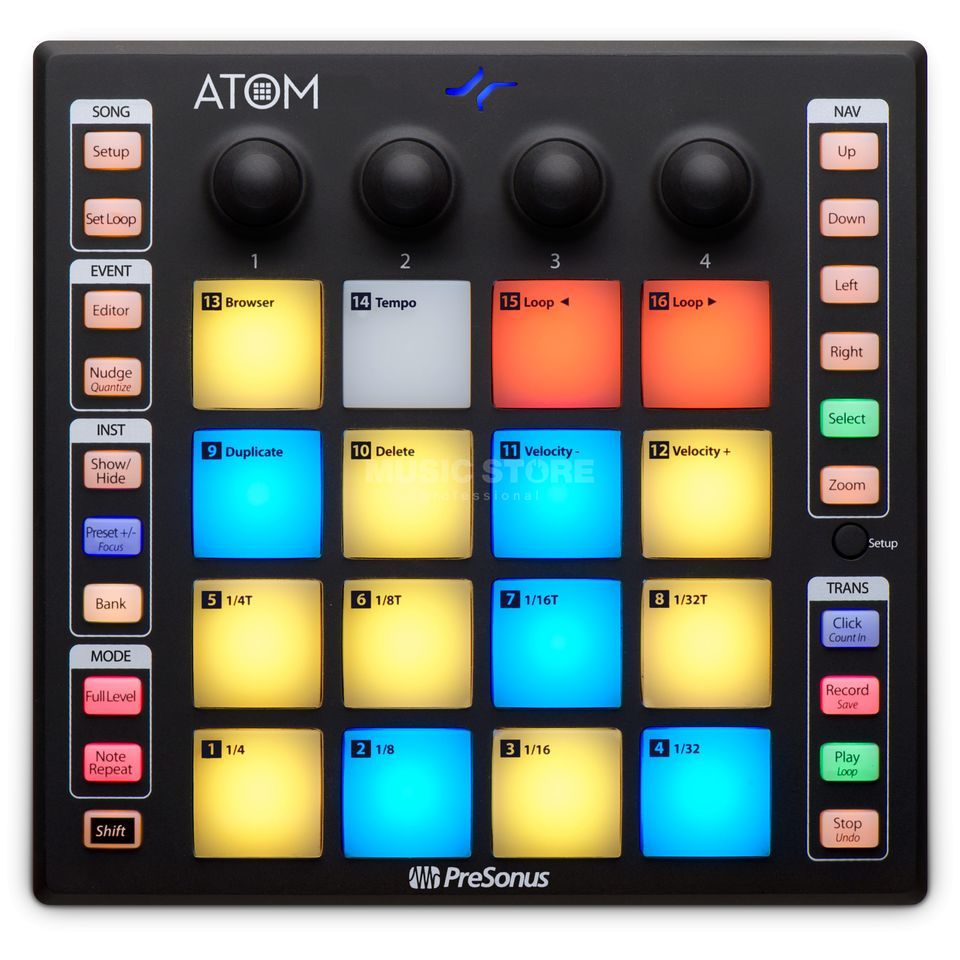
- Tight and responsive pads
- Compact, focused design
- Great for daily practice sessions
ESI Xjam / Artesia Pro Xjam
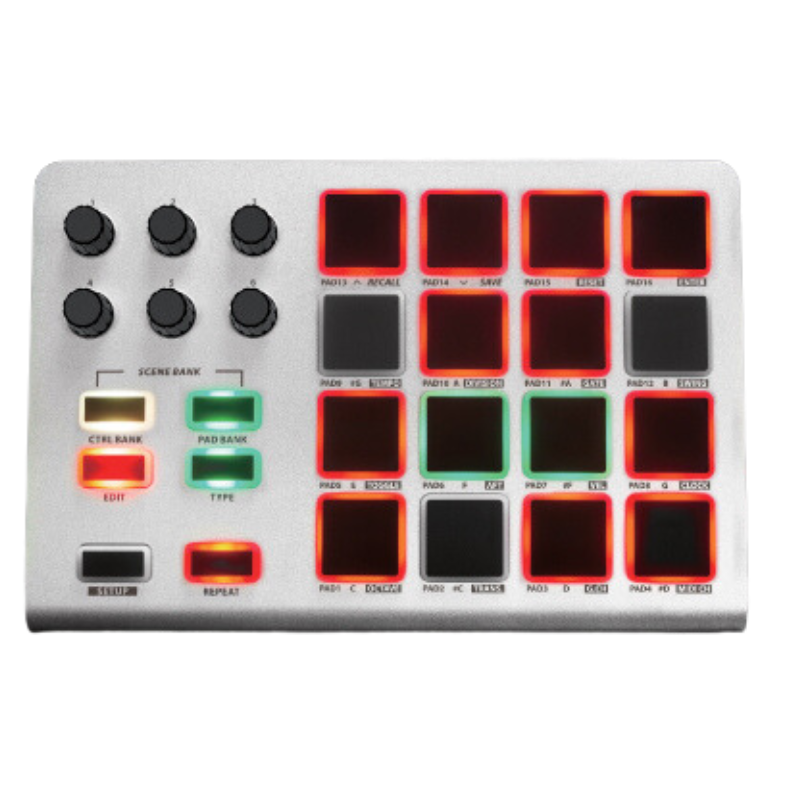
- Simple 4×4 pad controller
- Often underrated
- Solid learning-focused option
Synido TempoPAD C16
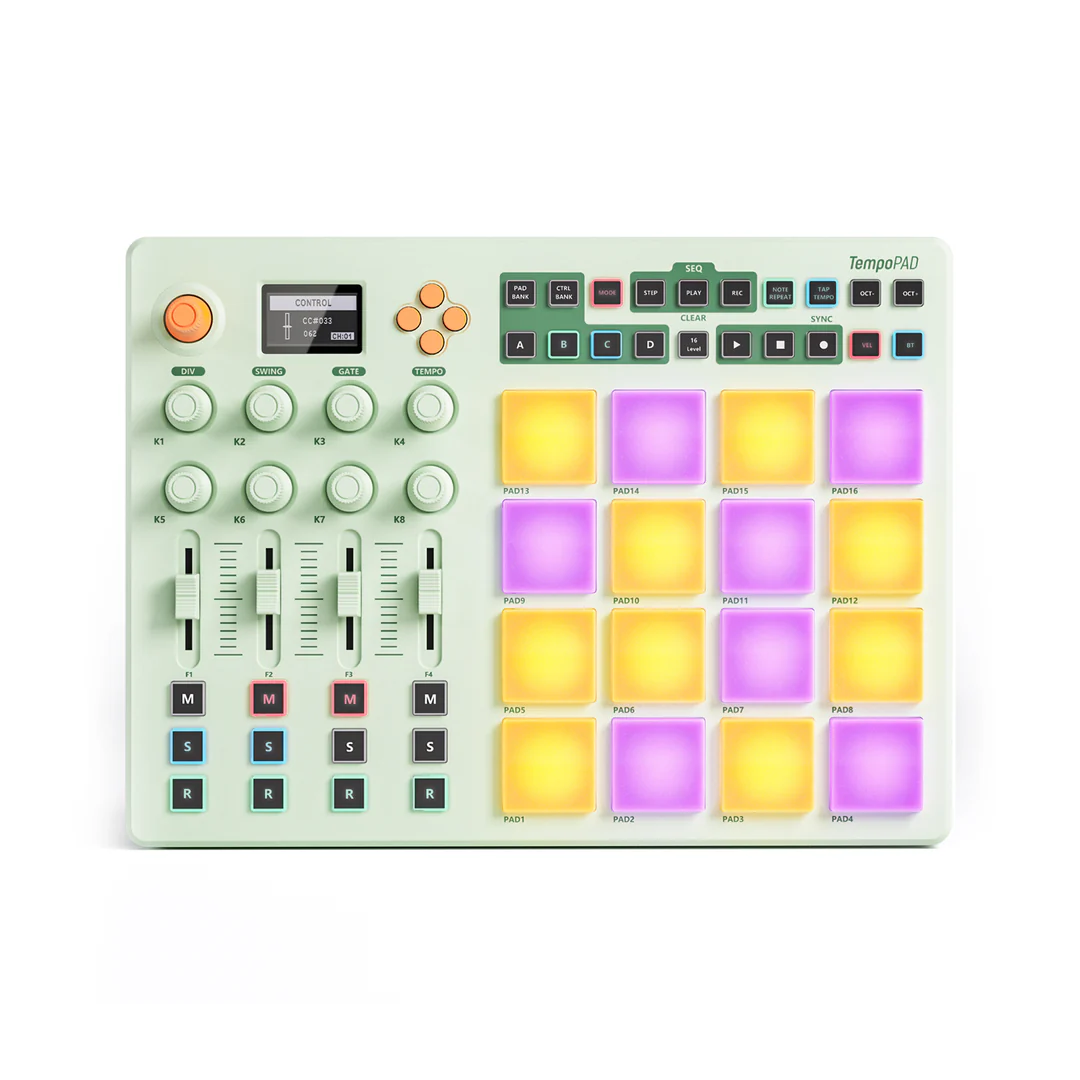
- Full 4×4 pad layout (16 pads)
- Velocity-sensitive pads
- Minimal, learning-focused design
- No dependency on proprietary software
TempoPAD C16 works well as a practice-first finger drumming controller.
It avoids distractions, focuses on pad consistency, and fits naturally into a Fingerdrum.io learning setup.
$200–$350 Advanced
For players who practice regularly and care about pad feel and dynamics.
Maschine Mikro MK3
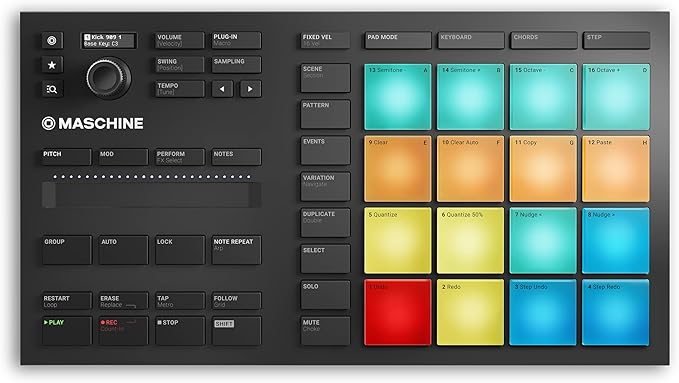
- Reference-level pad feel
- Extremely precise velocity detection
- Excellent for finger control development
Akai MPD232
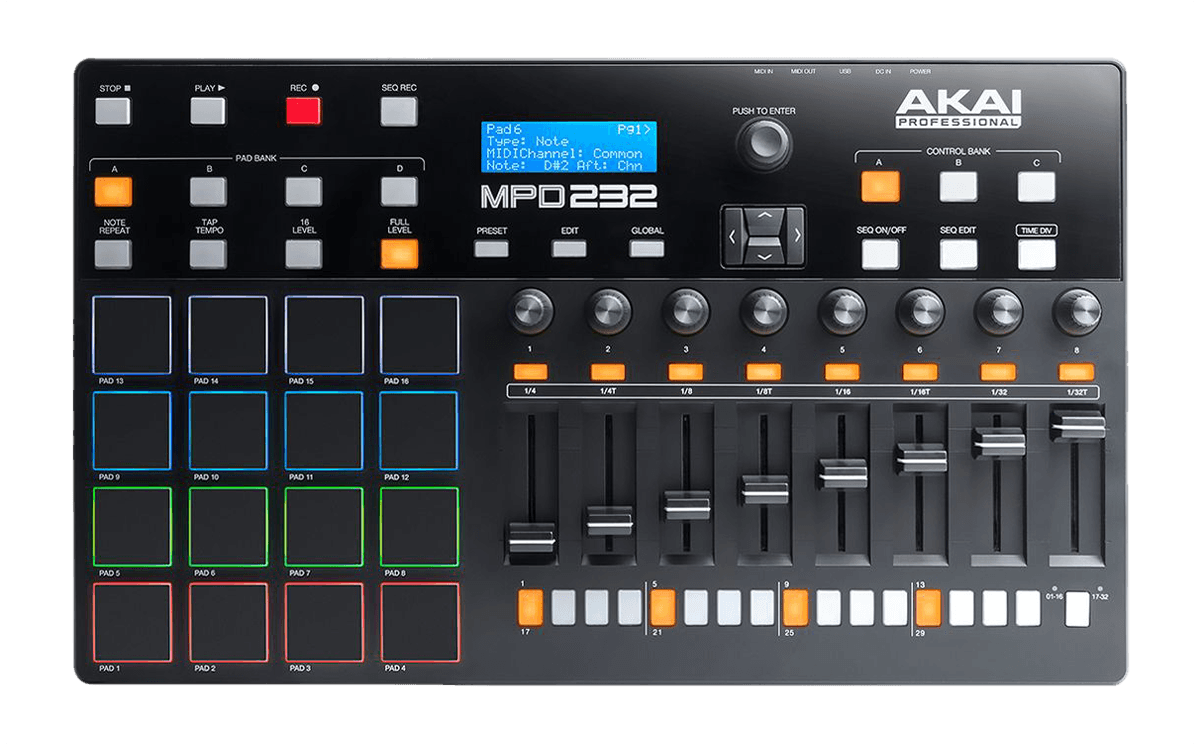
- Advanced pad sensitivity
- RGB feedback
- Strong MPC-style experience
Are Grid Controllers Good for Finger Drumming?
Grid controllers like Launchpad-style devices can be used with limitations.
They work best if:
- you restrict yourself to a 4×4 zone
- finger drumming is not your primary focus
They are not designed specifically for building finger drumming technique.
Keyboards with Pads: Are They a Good Choice?
Keyboards with pads are not ideal for learning finger drumming.
Examples include:
- Akai MPK Mini MK3 / MK4 (Buy here)
- Novation Launchkey Mini MK4 (Buy here)
- Arturia MiniLab 3 (Buy here)
They are acceptable only if you already own one.
They should not be purchased specifically for finger drumming practice.
Standalone Finger Drumming Devices
Standalone devices combine pads, sounds, and sequencing in one unit.
Yamaha FGDP Series (FGDP-30 / FGDP-50)
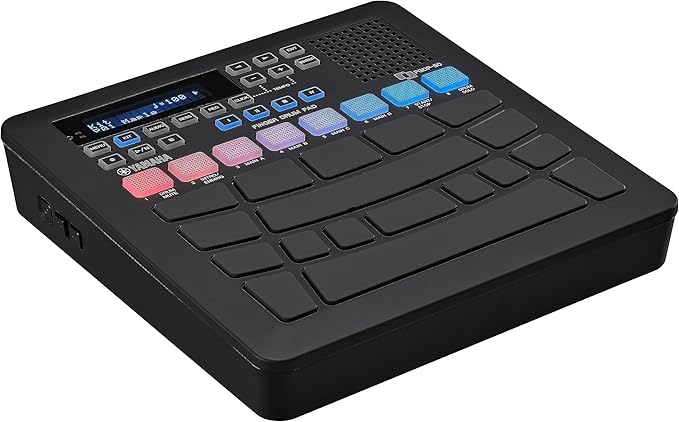
- Dedicated finger-drum instruments
- Unique layouts and technique
- Limited transferability to standard pad controllers
Best suited for expressive playing, not for building universal finger drumming skills.
Akai MPC Standalone Models (MPC Live 2, MPC Live 3, MPC One, MPC One X)
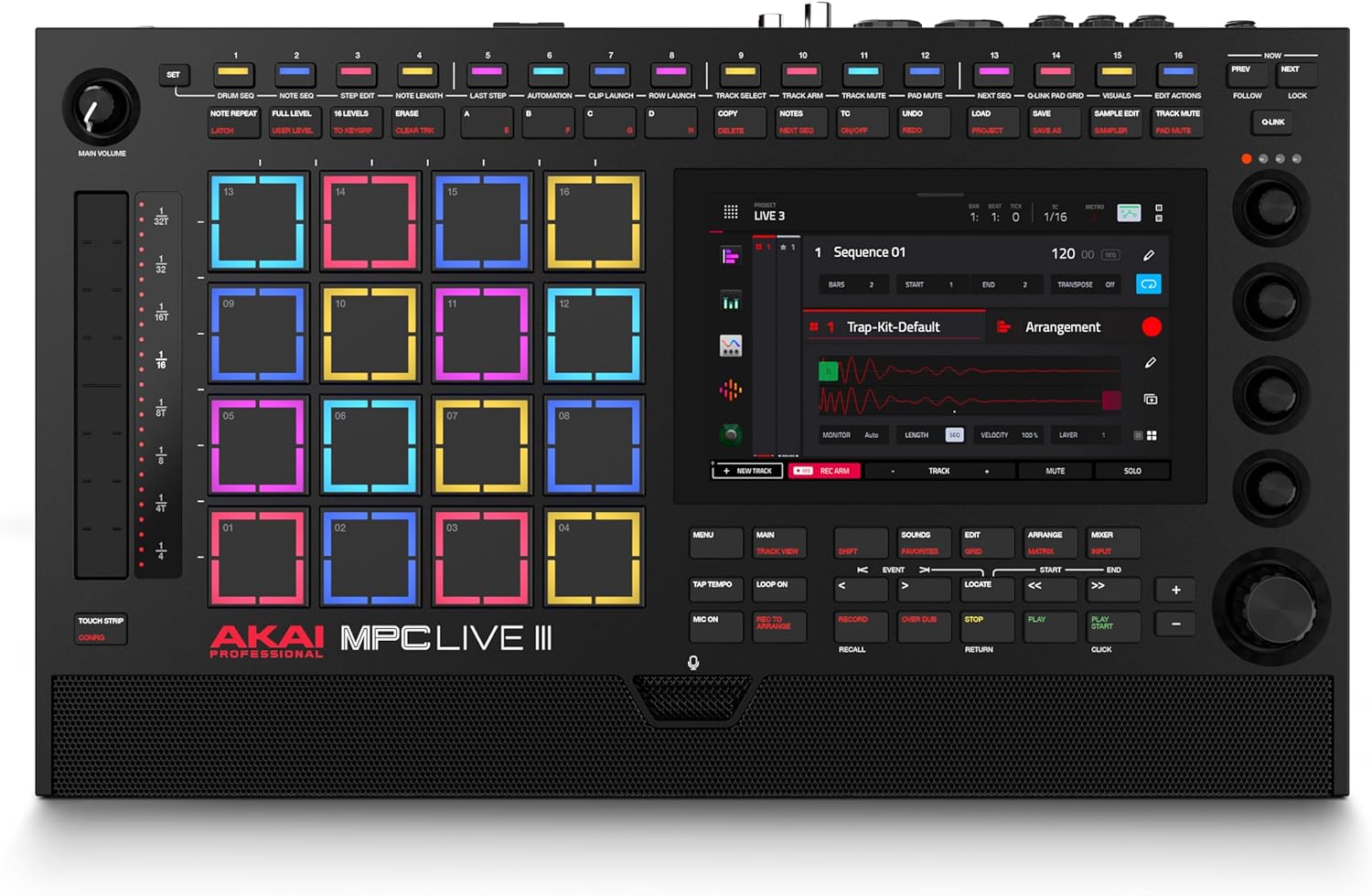
- Excellent pad quality
- Powerful standalone workflow
- Many distractions for beginners
Best used alongside Fingerdrum.io, not instead of it.
What Gear Is Not Recommended for Learning Finger Drumming
- MIDI keyboards without pads
- Controllers with very small pads
- Step-sequencer-first devices
- Grooveboxes as a first learning tool
Final Thoughts
Finger drumming improves through focused practice, not through complex gear.
The most effective setup is simple:
- a 4×4 pad controller
- a clear learning system
- short, consistent practice sessions
Start simple, train properly, and let your skills — not your gear — grow.
Train your fingers, not your gear.